Showing posts with label lemma. Show all posts

cabin monument

A particular naming can transform a find to something we used to call a "work of art". The name for this conceptual construction would be "Gaze Monument". We name "Gaze Monuments" conscious transpositions of objects to unexpected areas. Sudden descriptions that are proved similar to constructions. Some things (that could already be writings) explode and reach areas "in which they don't belong"; they then are structurally formed as "gaze monuments". Either provocatively, as here for instance, or silently, objects can be proved the testimonies of "other discourses". The object, an action, a composition or any element installing reality "as such" can undertake the role of a particular definitive transformation. The work of this transformation would be a conscious change of meaning of the element. A Gaze Monument would than be the disturber that disarranges the symbolic order of things. Showing it as a non ordinary piece may already formulate a sabotage strategy.
P1340352 whatever statue monument whatever statue monumentcabin monument
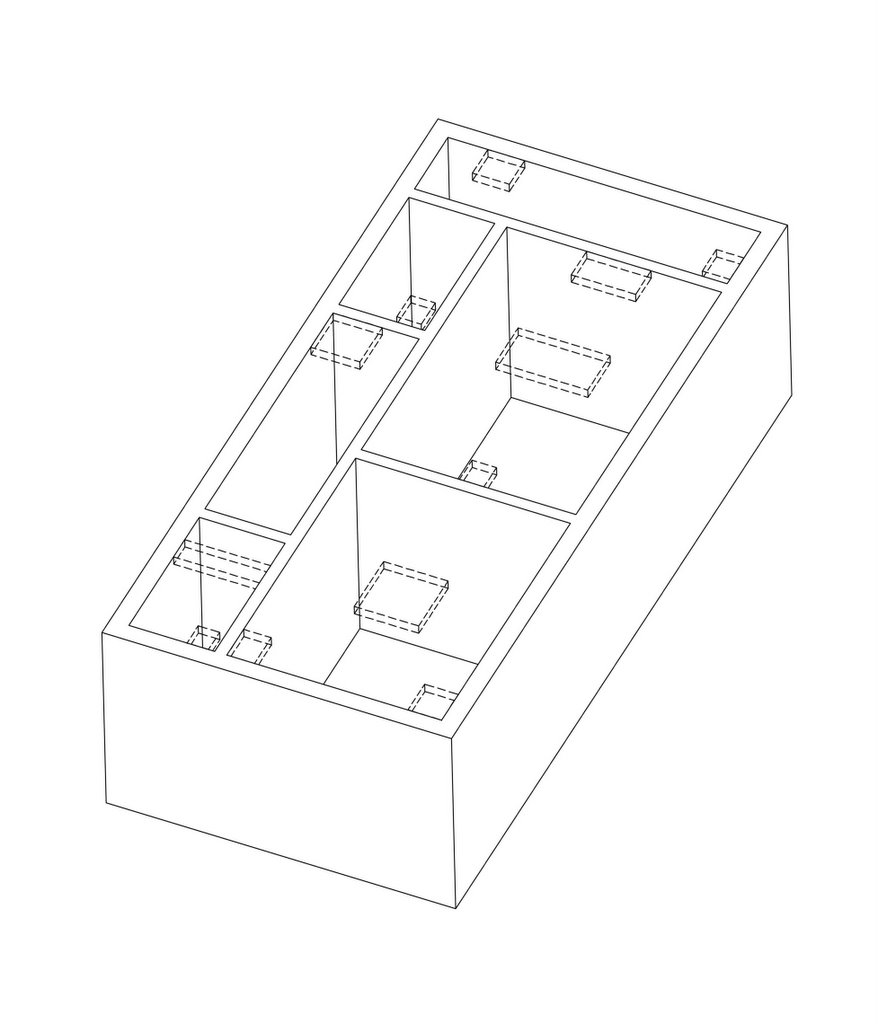
A metaphoric structure could be for example obvious in the "cabin monument", found during a walk in Munich, 2009: it maybe expresses the possibility of different inhabitations proposed for a stable marble basis. The piece can be shown as an open possibility of hosting whatever statue in the same place. A possibility of a monumentality for replacement could be at stake. We can remember Lenin's first politics of monuments that prescribed wooden sculptures or provisional honorary sculptures for the acts or the heroes of the revolution.
Is the Cabin Monument an empty monument or does it shape the structure of the monumental? The Cabin Monument could be presented for instance as a quest for investigation about the ethical construction of memory. From another point of view the Cabin Monument pose this inverse question: can we think of ethics without memory? Can a provisional monumentality form an enough strong foundation for future ethics? Can ethics exist without a strong, monumental, symbolic order? The Cabin Monument could be a paradoxical word, pronounced in a non existing language or it could function as a particular question; as a destabilizing fragment of reality, in the same time obviously included in reality's most banal side. The transformation of some forgotten objects into important things is a silent work; it is the production of a particular recognition or a perverse reference that can substitute the work of art with a construction of the gaze. Such constructions, such intellectual distortions can form a series of steps in a city level. The city would then be an idiosyncratic museum of banality. Nevertheless such a museum is more a museum of seeing. A "gaze monument" would mark a responsibility for seeing. In the same time it does not require more creative energy then the distorting power of any intellectual occupancy.

The character of "lemma" makes the problem: no lemma and thus no category is really different than another here, in this effort to assemble the person. The room category includes gaze monuments, the find could be a gaze monument too. London could be sleepwalking etc. Nothing is really defined through this categorization. Nevertheless it is only through this categorization that the person is conceived as the real possibility of a person. Finitude is a possibility of categorization.

If we accept that the person is identified to a collector, a self-knowledge would be a work of aesthetics: the self knowledge would be identified to a choosing strategy. The "Socratic" dogma for the person defined as an impossibility of knowing (ἕν οἷδα ὅτι οὐδὲν οἶδα) woud be thus inversed to an unavoidable self sufficiency. This aesthetic self sufficiency is characterized by the terms of a collection's creation.

The view of all these things (the beds, the rooms, the finds, the gaze monuments) constitute an interior perspective of a person: we can understand what a person would be if we consider some of these images as a collection of scenery constructions: the scenery space that is formed by them is used for the mise en scene of an avatar's life. This "person structure" is created through the move in the space and the view of things.

IKEA working space

The person is created by attentive observation of the objects surrounding the person's gaze. The attention given to the objects leads to a categorization: the categorization concerns persistent returns through a tag system that connects different entries in unified conceptual pools. Some drawings and projects may serve as entries as well.

The person’s idea about the collections he is identified with is that any description of himself is controlled by the description of what is in front of the person and that what is in front of the person is a construction done by the contemplation itself. So the person's problematic traces are witnessing in the same time a passive and an active aspect of the person; furthermore the passive side is obviously hold by an active look and the active side is only an elaboration of passive dreams.


The colored words are probably leading to incorrect meanings.


Bed is a word to show rest. This epoch hates rest but bed is the furniture of this epoch. Through the bed we understand that this restless motif of today's life is not so deep. The table was a furniture for the past era, the bed is the nowadays thing. The table is the place for meetings, the bed is a place to rest. Not only used for sleeping a bed is behind the concept of the coach for sitting together, a bed is a place where work can be done, too. The bed gathers the somnambulant powers of this civilization. The bed is everywhere we stay for a short time to be concentrated on a specific topic. Wherever we camp, a bed is already installed. The bed monitors the concept of an isolated time period of any kind: a dream gives the idea of an enclosure for a different time, and the bed is the platform for different dreams. The bed controls this isolation culture today. We change from a bed to another. The bed is in every isolation structure. A set of headphones, a set of earplugs, a black mask for the eyes and an inflatable pillow are bed structures.

The colored words are probably used in an erroneous way.


The find is considered here as an existing work but necessarily done with non artistic purpose. Its transformation to a find attributes to it the archeological implication of an important piece. The aesthetic evaluatin comes together with a violent transposition of the image or thing or text from its normal environment to a certain pool of different interesting pieces. A certain wunderkammer is the result of this collection. This wundernkammer could be the person itself.

press the tag with the indication "LEMMA" to have a first impression of the blog

A lemma announces a category of experience and already suggests here a concept of time, divided by some conceptual schemes. An image or a text that is not tagged yet forms an open question about its presence in the blog. The blog intends to describe, in a single move, the person's work and the conditions of the work: the
temporary construction of a person is based on this comprehension of a work with lemmas.

Η καταχώρηση σε λήμματα αποτελεί εδώ κάποιο εύρημα που φανερώθηκε στην διάρκεια του χρόνου των δημοσιεύσεων. Στην πορεία της δημοσίευσης καταχωρήσεων στο blog παρατηρήθηκε ότι τα δημοσιευμένα posts παρουσιάζουν ομαδοποιήσεις σε λίγες κατηγορίες που μπορούν να τα οργανώνουν. Η οργάνωση όμως των καταχωρήσεων σε λιγοστές κατηγορίες αντιστοιχεί στην οργάνωση του προσώπου σε λιγοστές κατηγορίες. Η εμπειρία του προσώπου και η φανέρωση στοιχείων που αφορούν το πρόσωπο ή που το εμπλέκουν "εσωτερικά" σε καταστάσεις μπορεί να κατατμηθεί σε λίγες περιοχές. Η εμπλοκή του προσώπου με τον εξωτερικό του κόσμο μπορεί να παρουσιάζεται και να εξαντλείται σε μια περατή σειρά από έννοιες προς τις οποίες το πρόσωπο στρέφει το ενδιαφέρον και μέσα στην επικράτεια των οποίων το πρόσωπο είναι, με ευτυχή τρόπο, φυλακισμένο.
Το λήμμα εδώ ονομάζει τέτοιες σειρές κατηγοριών που προσδιορίζουν τον τρόπο παρατήρησης αλλά και την συγκρότηση του προσώπου.

luxembourg hotel, thessaloniki

hotel luxemburg, room 103

The hotel is here a representation of the person's instability and in the same time the possibility of a multiple conception for different dwelling possibilities. Dwelling thus forms no reference to a unified general human condition. Dwelling appears as many possibilities for different dwellings. The way the person is instable has to do with the short period of rest that an hotel can provide. The person here can be a person only by affirming temporary stabilities. The person is a person as long as he can enter and inhabit different rooms.

Textbooks on bed.


Sleepwalking introduces a time duration in which one waits for its next moment without any possibility of disruption. Any disruption is already an awakening, awakening ends this sleepwalking time. Sleepwalking is conceived thus as a deliverance to a duration for illusion. In an analogous argument, the way we describe time of love on a bed is related to this precise description of the sleepwalking time. Bedtime is an illusion time and bed is a prayer for sleepwalking.
nonphilosophy


bed, closer view

term bed & the bed theory


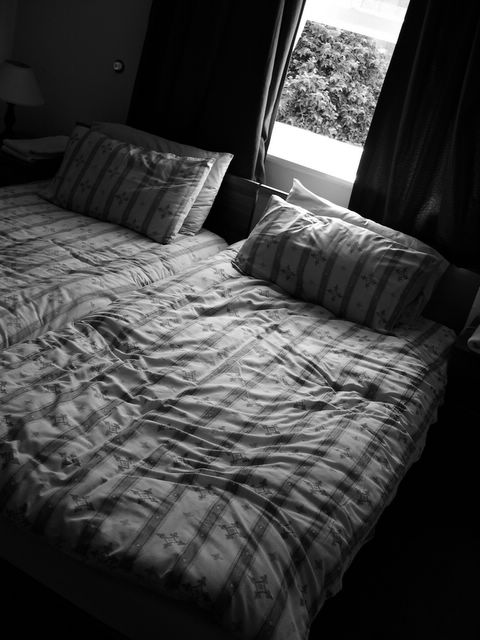
The bed field is or has to be done in a standard way. its distortions, the traces that the bodies leave on it mark the history of the everyday bed's life. The bed is the written rest of everyday nights life. The pictures of one's bed tell night stories.


Excelsior, Paris

term bed & the bed theory

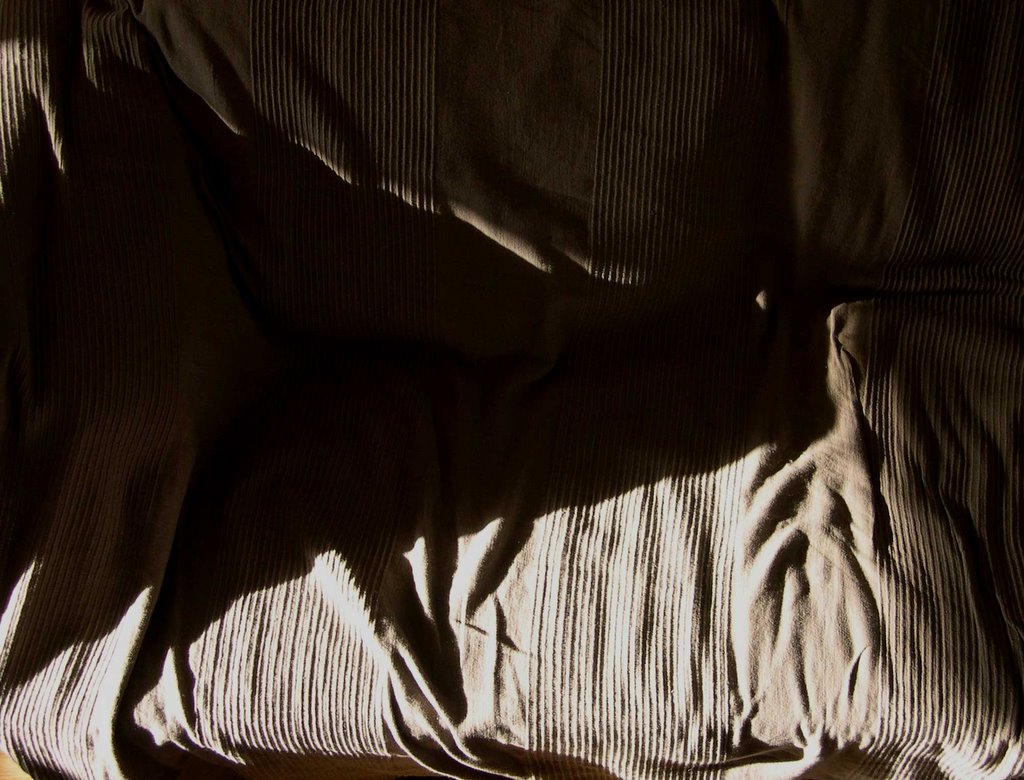
Field of sleep, love and insomnia, the bed is here recognized as a landscape. Usually installed close to a window in such a way that the light is sometimes creating, on any sheet's folding, impressions of a minimum nature.


goodenough college, flat 104, the bed.

term bed & the bed theory

the bed questionning has its own idiosynchrosity. the bed marks a hidden priority of this civilisation


term bed & the bed theory

the person is characterized by a kind of bed mania. It is an idea that has to do with insisting on self traces. It is similar to insisting on oneself's shit.


Facts Reservoir

antonas cv

antonas cv2


Observing the person's construction one can identify some concrete and re-coming areas under preparation. These series of areas could replace the notion of identity for the self. Each one of these entries is called LEMMA and the person is built as a collection of such LEMMAS, found in repeated observations or insisting motifs. The localisation of such repetitions creates a LEMMA.

apartment, volos

impossibility of a new day

Oρισμένα λήμματα που θυμίζουν λήμματα λεξικού μπορούν να χαρακτηρίσουν ήδη την προβληματική δομή του προσώπου υπό διαμόρφωση. Tέτοια λήμματα προσφέρουν χώρο για την παραχώρηση εικόνων σε οργανωμένες περιοχές. Συναντάμε ήδη τέτοιες υπό διαμόρφωση περιοχές που με "λέξεις κλειδιά" οργανώνουν το πρόσωπο. Τέτοιες λέξεις είναι : κρεβάτι, ξενοδοχείο, μνημείο του βλέμματος, Λονδίνο, δωμάτιο, βιβλιοθήκη, εύρημα ταξιδιού. Το πρόσωπο λειτουργεί εδώ ως εικονόγραπτο λεξικό χτισμένο όχι από κανόνες αλλά από παραδείγματα. Η πληθώρα συναφών παραδειγμάτων καί κάποια στατιστική επιμονή σε τέτοια συναφή παραδείγματα κατασκευάζουν τα λήμματα. Το πρόσωπο οργανώνεται έτσι σαν λεξικό ή σαν αρχείο. Η ταυτότητα είναι μόνο κάποια σώρευση ή η κατάταξη που ακολουθεί την σώρευση αυτή.